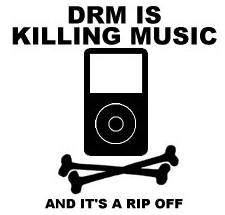
Followup: “Display Eater” to go Open Source after failed “scare campaign”

I first heard about this “Display Eater” application on Boing Boing. The short version of the story is that it appeared that if you attempted to pirate the software, it would delete your “home” file on your Mac…essentially destroying your computer.


Not surprisingly, people didn’t take well to this idea, and the backlash for Reverse Code has been pretty severe. So severe in fact, that the Reverse Code website now simply features a short essay from “Reza” the software’s creator.


From the site:


There exist two illegal cd-keys that can be used to register the program without paying for it. When Display Eater detects these keys, it would delete your home directory.


However, this is not the case in reality. The whole purpose was to create a scare campaign. You can download, the file linked from the main page, which is now down(the link is still intact here), and check it for yourself. It has been this way since 2/7/07.


It was my hope that by creating a scare campaign, I could stop wasting time writing copy protection routines to be broken over and over.


It turned out to be a mistake.


“It turned out to be a mistake”…ya think?


Reza has decided to make Display Eater freeware, and open source, in the wake of this marketing blunder. If you want to download the software, you can visit the Reverse Code site and do so. Until the program is released as an open source application you can use the following key to unlock it.


PROD-9PNRM6-4RPRY-JUA5D-XW20G-J0MPY-9MTWX-2L9KW-1


Update: I tried it, and the key wouldn’t work. Let me know if any of you are brave enough to give it a shot.

(Via Apple Gazette.)

AACS cracked again: WinDVD key found

Filed under: ,

AACS has already been compromised in at least two widely known ways, after DRM hackers posted on the Doom9 forums methods to retrieve and utilize volume, and later, processing keys to copy every Blu-ray and HD DVD movie released so far. Today a third method has appeared, as poster ATARI Vampire reports they were able to find the "sub device key" of the WinDVD 8 playback software. That key identifies the player and allows it to decode AACS protected titles. You might remember the software was also the victim of a simple "print screen" attack several months ago that was quickly patched. The method used to find it was based on arnezami's previous approach of watching memory dumps and finding it through a "bottom up" approach. Coming on the heels of the cracks already widely available, this doesn't really affect the current state of easily copied high def movies, but could make disabling the vulnerable player from playing future releases, finding the hole and preventing it from being hacked again, that much more difficult.

[Via Slashdot]


Read

(Via Engadget.)

EMI changes tune on DRM-free music

Cory Doctorow:
EMI -- having previously floated the idea of releasing its music as DRM-free MP3s -- has dropped the other shoe: it won't consider the move unless it gets some money. Lots and lots of money. So much that no one will say how much.

Which is funny, since removing DRM can only help sell music. After all, no one buys music for the DRM. People who buy DRM songs -- instead of nicking the same music on P2P -- do so because they don't mind the DRM, or because they don't know about the DRM, or because they are willing to hold their nose. Presumably, there are people who are aren't willing to hold their noses (I'm one of them) who'd buy if the DRM was gone.


Online music giants Apple and Microsoft, along with smaller players including RealNetworks and Yahoo! Music, sought to indulge EMI's demands by waving leafy-green dollar bills at the company, but it wasn't what EMI asked for, and the company subsequently put the talks on hold. Warner's renewed interest in EMI is likely another contributing factor to EMI's own cold feet: Warner's leadership is devoted to DRM, making the DRM-free discussions all the more circumspect.

While it has become a truism in tech enthusiast circles that 'no DRM equals more sales,' EMI and other record companies are pleased enough with the status quo that they expect any "risk" to be shouldered by retailers. If a "non-DRM tax" of sorts were applied to music, online retailers would have no choice but to increase the cost of downloadable music.

Link

(via Gizmodo)

(Via Boing Boing.)

OpenCongress — ripping open the doors to Congress with Web 2.0

Cory Doctorow:
OpenCongress.org is a new site that Web 2.0's the US government, bringing much-needed transparency and accountability to the closed book that is the US Congress. It is the first project of the new Pariticpatory Politics Foundation (founded by the same young geniuses who gave us the Participatory Culture Foundation and its stunning Democracy Internet TV player). Co-creator David Moore describes it thus:

One of the problems we were aiming to address is that there is a lack of comprehensive, usable web resources for people and groups writing about bills and issues in Congress. The Library of Congress website, Thomas, doesn't do nearly enough to make Congressional information accessible -- meaning that political bloggers didn't have anywhere helpful to link when discussing Congress, that there wasn't a way for their readers to get the "big picture" behind an issue. The lack of public knowledge about what's really happening in Congress breeds apathy about political change in general.

OpenCongress helps close the information gap between political insiders and the public by bringing together official government information from Thomas (by way of GovTrack.us), news articles from Google News, blog posts from Technorati, campaign contribution data from OpenSecrets.org, and more -- to give you the real story behind what's happening in Congress.

Link

(Via Boing Boing.)